Exploring Dreamy Dimensions Backgrounds for Designers
When you are deep in a creative project, the foundation matters just as much as the focal point. We often spend hours obsessing over the perfect script font for a headline or the right sans serif font for body copy, but the canvas behind the text dictates the entire mood. This is where Dreamy Dimensions Backgrounds enter the conversation. These aren't just simple color fills; they are complex, atmospheric digital paper backgrounds designed to give your work immediate depth and character.
At their core, these assets are high-resolution JPGs, but treating them merely as files misses their potential. They are a bridge between a flat idea and a textured, tangible reality. Whether you are a small business owner creating packaging or a graphic designer working on a high-end brand identity, understanding how to wield these backgrounds can transform your workflow from tedious to inspired.
The Anatomy of Atmosphere
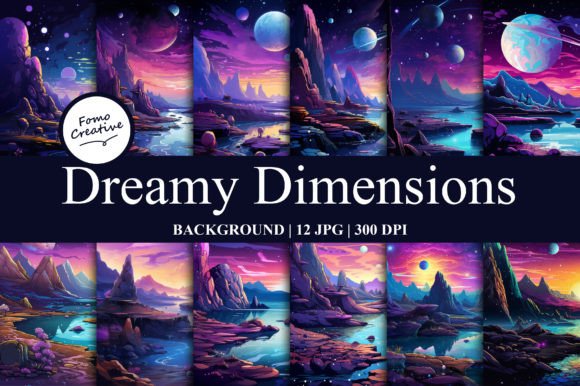
Digital paper backgrounds are essentially digital images designed to mimic the feel of physical materials or abstract artistic environments. The "Dreamy Dimensions" collection, for instance, offers a specific aesthetic that leans into soft textures, abstract gradients, and ethereal motifs. Unlike a generic stock photo, these are crafted specifically for layering. They provide visual interest without screaming for attention, which is a delicate balance to strike in design.
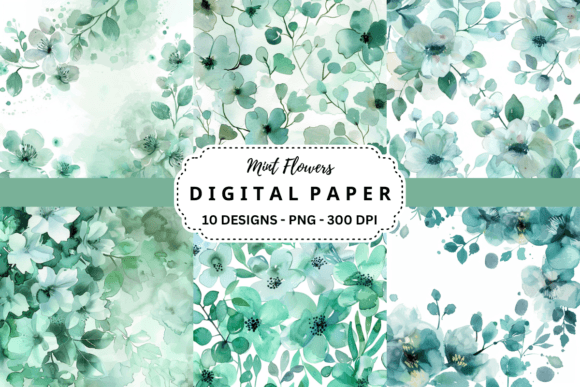
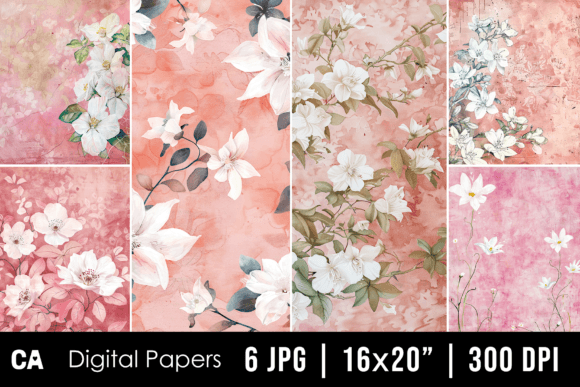
The appeal of a collection like this lies in its versatility. You might find floral patterns that feel hand-painted or geometric shapes that offer a modern edge. The personality of these backgrounds is generally sophisticated and organic. They don't look "digital" in the cold, sterile sense; they look artistic. This is crucial for anyone involved in editorial design or social media graphics where the goal is to stop the scroll with something that feels curated and premium.
Strategic Applications for Modern Creators
Knowing what these backgrounds are is one thing; knowing where to use them is where the strategy comes in. As a designer or marketer, you need assets that scale across different mediums. Dreamy Dimensions Backgrounds fit seamlessly into a variety of contexts, provided you apply them with intention.
Branding and Logo Design
When developing a brand identity, consistency is king. A cohesive set of digital paper backgrounds can become the visual "glue" that holds different marketing materials together. Imagine a boutique bakery or a wellness coach. Using a soft, textured background from this collection on their website, business cards, and Instagram stories creates an immediate association. It signals a certain level of care and professionalism. However, when using these for logo design or branding, ensure the texture doesn't overpower the primary typeface. A bold serif font usually stands up well against a busy background, whereas a light sans serif might need a semi-transparent overlay to remain legible.
Publishing and Editorial Design
For publishers and authors, these assets are invaluable for book covers and promotional posters. A "dreamy" background can instantly communicate genre. Soft watercolors or starry textures suggest romance or fantasy, while gritty abstract designs might suit a thriller. The key here is hierarchy. The background sets the scene, but your typography needs to own the space. Use the background to frame your headline, not compete with it.
Digital Products and Invitations
The market for digital downloads is booming. If you create printable invitations, greeting cards, or scrapbooking kits, these backgrounds are your raw material. Because the collection includes 12 JPGs at 300 DPI, they are print-ready. This means you can design a wedding suite with confidence, knowing the resolution will hold up when printed. For scrapbookers and crafters, the ability to instantly download and layer these textures saves hours of scanning physical papers.
Technical Execution and Quality Control
Design is often about the details that the average viewer feels but doesn't consciously notice. The quality of your assets plays a massive role in this subconscious perception.
The Dreamy Dimensions collection boasts High-Resolution 300 DPI files. In practical terms, this is the industry standard for print. If you were to use a standard web-resolution image (72 DPI) for a poster, it would look pixelated and unprofessional. With 300 DPI, you have the pixel density required for sharp, clear printing, whether you are creating a small sticker or a large-format wall art piece.
However, you must be mindful of color management. The notes regarding these assets mention that colors may diverge across devices. This is a universal truth in digital design. The "dreamy" pastel pink you see on your high-end monitor might print slightly differently on a home inkjet printer. My advice? Always run a test print on a small section before committing to a full run, or use professional print services that offer color calibration. This ensures the "dreamy" vibe doesn't turn into a "muddy" mess.
Integrating Assets into Your Workflow
One of the biggest hurdles for creatives is context switching. Stopping to create a texture from scratch breaks your flow. Having a library of instant download digital files solves this. When you are mocking up a social media campaign or a client presentation, you can drag and drop these backgrounds to instantly elevate the mockup.
Consider the practical aspect of file management. Since these are JPGs, they are universally compatible with almost every design software—from Adobe Photoshop and Illustrator to Canva and Procreate. This makes them accessible to professional designers and hobbyists alike. You don't need a specific plugin or a complex workflow to use them. You simply import the file and start building.
It is also worth noting the licensing and usage. Since this is a digital product with no physical item shipped, the value is in the reusability. You can use the same background texture across a newsletter header, a blog post image, and a brochure without having to re-purchase anything. This creates a high return on investment for small business owners who need to stretch their marketing budget.
Elevating the Everyday
Ultimately, tools like Dreamy Dimensions Backgrounds are about democratizing good design. You don't need to be a master painter to create a watercolor effect, nor do you need to be a photographer to capture a moody atmosphere. These assets provide the building blocks.
For the entrepreneur, it means looking established and trustworthy. For the crafter, it means adding a layer of polish to a passion project. For the marketer, it means creating visual assets that actually convert because they look intentional. By focusing on high-quality, versatile assets, you free up your mental energy to focus on the message you are trying to convey. The background becomes a silent partner in your success, supporting your content without overshadowing it. When you choose a background, you are choosing the mood of your project. Choose one that adds depth, texture, and a touch of professionalism to everything you create.