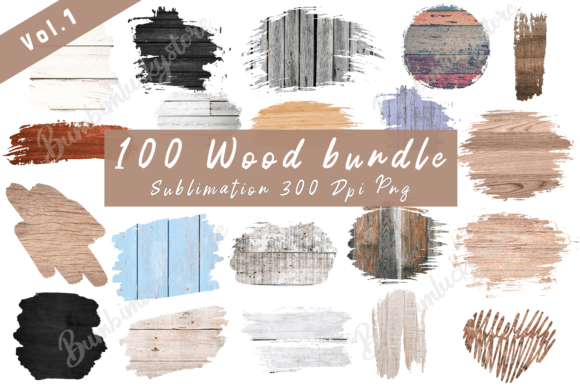
Sublimation Wood Backgrounds: A Digital Toolkit for Authentic Texture
When you’re building a brand or a piece of marketing collateral, the background isn't just empty space; it is the stage upon which your content performs. In the current landscape of digital design, there is a distinct shift away from sterile, flat colors toward textures that feel tangible and organic. This is where the utility of Sublimation Wood Backgrounds becomes evident. These assets are designed to bridge the gap between the digital screen and the physical world, offering a foundation that feels grounded, warm, and distinctly tactile.
The Anatomy of the Asset: Quality and Composition
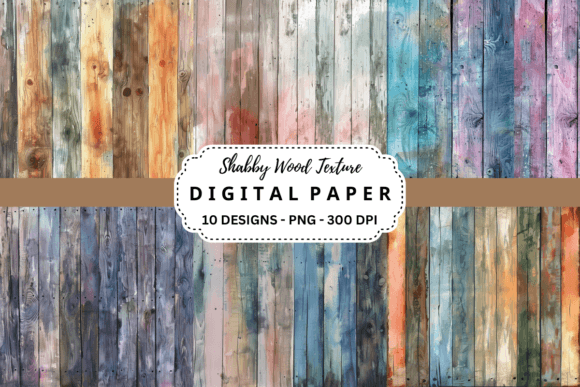
The specific package we are looking at is a robust collection of This is Wood Backgrounds Png files. It is important to understand exactly what you are getting, as file quality dictates the final output of your project. This collection provides a substantial library of 100 distinct PNG files. These are high-resolution assets set at 12x12 inches and 300 DPI, which is the industry standard for professional print work. This resolution ensures that the wood grain remains crisp even when printed on large format items like signage or posters.
Furthermore, these files are delivered with transparent backgrounds. This is a critical feature for a Sublimation Background. It means the wood grain is isolated, allowing you to layer it over other colors or patterns, or use it as a standalone texture without worrying about harsh white borders or boxy constraints. The "no watermark" delivery ensures that what you see in the preview is exactly what you get in your final production. As a Digital download, this is an Instant Digital Download, meaning you can integrate these assets into your workflow immediately without waiting for physical shipping.
Visual Character and Practical Application
Visually, wood textures offer a personality that is rustic yet versatile. They communicate stability, nature, and a sense of permanence. However, not all wood is created equal. This collection likely includes variations ranging from light, weathered birch to dark, rich mahogany or reclaimed barn wood. This variety is essential for designers because different grains evoke different moods. A light, clean grain pairs beautifully with minimalist web design or airy lifestyle branding, while a darker, more distressed texture suits vintage logos or masculine packaging.
The practical applications for these backgrounds are vast. For crafters and hobbyists, these PNG files are the backbone of sublimation printing. You can transfer these textures onto physical wood blanks, coasters, keychains, and ornaments using a heat press. For marketers and content creators, these files serve as excellent backdrops for social media graphics. Placing a quote or a product announcement over a wood texture adds depth that a flat color cannot achieve. It helps stop the scroll because the image feels more "real."
Design Strategy and Integration
Using a texture effectively requires a strategic approach to visual hierarchy. Because wood has a busy, organic pattern, it can compete with text if not handled correctly. If you are using these backgrounds for editorial design or packaging design, you need to ensure your typography stands out.
Consider using a sans serif font with a medium to bold weight for headlines. Sans serif typefaces often provide a clean, modern contrast to the rustic nature of wood. Conversely, if you are going for a "general store" or farmhouse aesthetic, a script font or handwritten font can work, provided you place a semi-transparent overlay between the text and the wood grain to aid readability.
Here are a few ways to integrate these assets into your brand identity:
- Logo Mockups: Presenting a client's logo on a wood texture can instantly convey a sense of craftsmanship and durability, perfect for coffee shops, construction companies, or artisan bakeries.
- Website Headers: Using a subtle wood grain as a header background can break up the monotony of a long-scrolling page.
- Digital Products: If you sell planners or wall art, offering a "wood effect" version using these PNGs can expand your product line without extra manufacturing costs.
Technical Considerations for Professional Use
Before finalizing your design, it is vital to test your font pairings. A premium font often includes multiple weights and styles, allowing you to create hierarchy using just one typeface family. For example, you might use a bold weight for the main header and a light weight for the sub-header, both in white, sitting on top of a dark walnut wood background. This maintains consistency while keeping the design dynamic.
Since these are high-resolution files, be mindful of file sizes when using them for web design. While 300 DPI is perfect for print, you will need to compress or resize these images for faster load times on websites. However, for social media graphics and digital ads, the high resolution ensures your images look sharp on retina displays.
Ultimately, these Sublimation Wood Backgrounds are more than just pretty pictures; they are functional design assets