Transform Your Projects with Shabby Wood Texture Backgrounds
There is a distinct warmth that comes with weathered surfaces. In the digital age, where sleek vector graphics and smooth gradients often dominate, there is a growing hunger for design assets that feel grounded, real, and tactile. This is precisely where the Shabby Wood Texture Backgrounds collection comes into play. It is not merely a set of images; it is a toolkit for adding soul to your digital creations. When you are working on a project that requires a vintage vibe, a rustic aesthetic, or a handcrafted feel, standard solid colors simply will not suffice. You need depth, grain, and character. This collection provides exactly that, offering a bridge between high-resolution digital design and the organic imperfection of natural materials.
The Visual Character of Weathered Grain
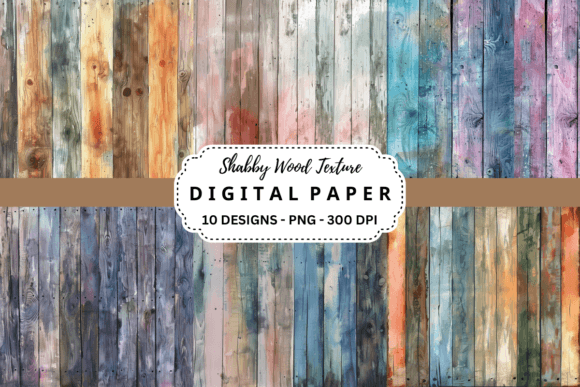
Understanding the visual language of these assets is key to using them effectively. The Shabby Wood Texture Backgrounds are defined by their "imperfect" beauty. Unlike industrial, uniform materials, these textures feature the natural variances found in reclaimed lumber, distressed fences, and old barn doors. You will see variations in grain direction, knots, color fading, and subtle cracks that tell a story of time. The color palette within these 10 individual PNG files tends to lean toward muted earth tones—think faded greys, washed-out browns, and sun-bleached whites.
This style aligns perfectly with the "shabby chic" movement in interior design and fashion, which celebrates the beauty of age. However, in the context of graphic design, this texture serves as a powerful backdrop. It provides visual noise that helps foreground elements pop. For instance, if you place a crisp, modern sans serif font over a rough wood texture, the contrast creates immediate visual interest. The texture adds a layer of sophistication and narrative that a flat background cannot achieve. It suggests durability, tradition, and authenticity. Whether you are designing for a coffee shop brand, a wedding invitation, or a country music festival, the visual personality of these backgrounds communicates a specific mood before a single word of copy is read.
Practical Applications: From Social Media to Print on Demand
The versatility of this asset pack is one of its strongest selling points. Because the files are delivered as high-quality 300 DPI PNGs at 3600 x 3600 pixels, they are robust enough for almost any medium. Let us break down where these textures truly shine.
For social media graphics, consistency is king. If you are a lifestyle blogger, a vintage shop owner, or a content creator focusing on DIY crafts, a cohesive feed is essential. Using the Shabby Wood Texture Backgrounds as the base for your Instagram quotes, product announcements, or sale banners creates a unified brand identity. The texture acts as a neutralizer, allowing you to overlay text and photos without the background feeling too busy or too sterile. It grounds your content, making it feel more curated and intentional.
In the realm of print on demand and merchandise, the value of a high-resolution texture cannot be overstated. When designing wrapping paper, tote bags, or notebook covers, pixelation is the enemy. At 300 DPI, these backgrounds are print-ready. You can tile them for wrapping paper patterns or use them as a singular background for a poster design. For scrapbooking enthusiasts, these PNGs are a digital dream. They mimic the look of real cardstock and wood veneer often used in physical crafting, allowing for a seamless transition from physical to digital journaling.
Furthermore, consider the impact on invitations and editorial design. A wedding invitation with a soft wood grain background immediately sets a rustic or barn-wedding tone. Similarly, a magazine layout focusing on interior design or heritage fashion can use these textures to frame articles, adding a tactile quality to the pages. The images are large enough to be used as full-bleed backgrounds for A4 or Letter-sized print projects without losing quality.
Integrating Texture into Modern Brand Identity
When building a brand, every visual element contributes to the perception of your business. Texture is often the unsung hero of brand strategy. Incorporating Shabby Wood Texture Backgrounds into your visual assets can significantly influence how your audience perceives your brand. If your brand values include sustainability, craftsmanship, heritage, or warmth, wood textures are a natural fit. They subconsciously signal "organic" and "handmade."
However, balance is crucial. A common mistake in design is overwhelming the viewer with too much texture. If the background is too busy, it can compete with your typography and make text illegible. This is where your skills as a designer or marketer come into play. When using these backgrounds, choose bold, clean typefaces for your headlines. A heavy display font or a clean sans serif usually works best against a grainy background. Avoid delicate script fonts for body copy, as the texture can make the thin strokes disappear.
Think about visual hierarchy. The texture should support the message, not overshadow it. You might consider applying a slight overlay—such as a semi-transparent white or dark layer—on top of the wood texture and behind your text. This technique "knocks back" the texture, ensuring your legibility remains high while still retaining the atmospheric benefits of the wood grain. This approach is common in web design headers and poster layouts where text needs to be the focal point.
Maximizing Your Asset Pack: Selection and Pairing
With 10 individual files to choose from, you have a range of moods at your disposal. Do not treat them as interchangeable. Each texture likely has a different lighting condition, color temperature, and level of distress. Some might be dark and moody, perfect for a masculine brand or a heavy metal aesthetic. Others might be light and airy, fitting for a feminine, bohemian, or nursery theme.
Before starting a project, review the entire set. Select the texture that best matches the emotional tone of your specific campaign. For example, if you are designing a "Summer Sale" banner, a lighter, sun-bleached wood texture would feel more appropriate than a dark, weathered barn board.
Here are a few practical tips for working with these design assets:
- Color Grading: Even though the PNGs are high quality, do not be afraid to color-correct them in Photoshop or Canva. Adjusting the hue and saturation to match your specific brand colors can help integrate the texture more seamlessly.
- Flipping and Rotating: Since these are seamless or large-scale textures, you can often flip them horizontally or rotate them 90 degrees to create variation. This prevents your designs from looking repetitive if you are using the same texture across multiple posts.
- Font Pairing: As mentioned, contrast is your friend. Pair the rustic texture with modern typography. A geometric sans serif font can look stunning against the organic lines of wood. Alternatively, a bold slab serif can lean into the vintage vibe.
- Licensing and Usage: Always ensure you are clear on the commercial licensing terms. For a resource like this, you generally want to know if you can use it in end-products for sale (like POD items). Assuming standard stock licenses apply, you are free to use these for client work, personal projects, and merchandise, but you cannot resell the raw files themselves.
Ultimately, the Shabby Wood Texture Backgrounds are more than just a decorative element. They are a strategic tool for adding warmth, depth, and professionalism to your work. Whether you are a small business owner creating your own packaging, a marketer designing a campaign landing page, or a crafter assembling a digital scrapbook, these textures provide a reliable foundation. They allow you to tell a story of authenticity and timelessness, helping your projects stand out in a sea of flat, digital perfection. By mastering the use of these assets, you elevate your design from merely looking good to feeling real.