Elevate Your Projects with Holographic Diagonal Lines Backgrounds
There’s a certain energy that comes from a design that feels both futuristic and deeply artistic. It’s that blend of sharp, geometric precision with an organic, fluid wash of color that stops you mid-scroll. That’s exactly the kind of dynamic tension you get with a collection of Holographic Diagonal Lines Backgrounds. These aren't just static images; they are vibrant, high-resolution canvases that can instantly add a layer of modern sophistication and depth to your creative work. Think of them as the digital equivalent of a luxury alcohol ink texture—unpredictable, rich, and full of character.
Understanding the Visual Language
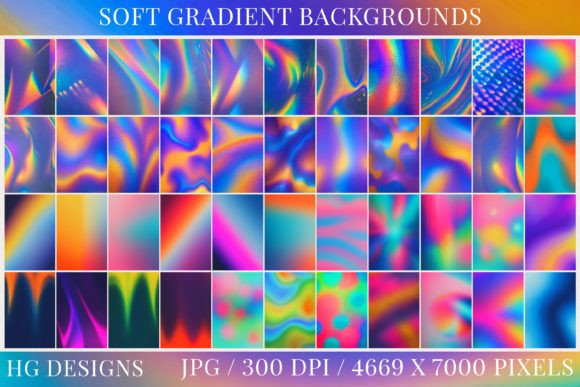
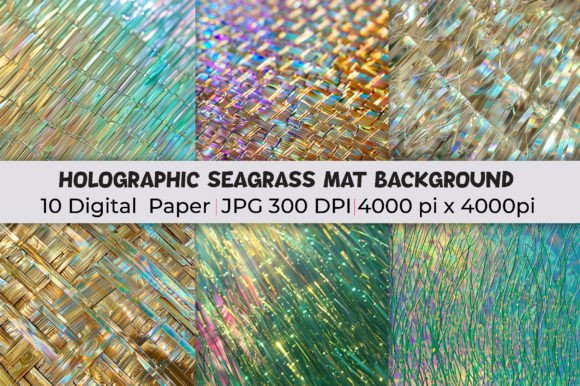
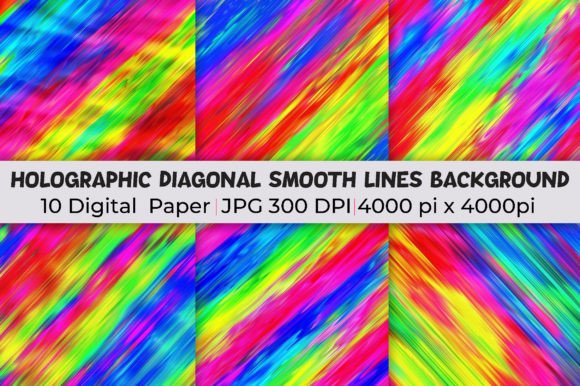
At their core, Holographic Diagonal Lines Backgrounds play with perception. The diagonal lines create a powerful sense of movement and direction, guiding the viewer’s eye across the composition. This inherent dynamism makes them far more engaging than a simple solid color or a subtle gradient. Layered over these lines is a holographic effect, which translates into a spectrum of vibrant, shifting hues—think iridescent pinks, electric blues, and shimmering golds that catch the light in a way that feels almost tangible. The result is a background with a strong personality: it’s contemporary, tech-forward, and unapologetically bold.
The appeal lies in this combination of structure and fluidity. The lines provide a clean, modern framework, while the holographic color wash introduces an element of artistic chaos and luxury. This makes them incredibly versatile. They can feel sleek and professional for a tech startup’s branding, or they can evoke a sense of playful creativity for an artist’s portfolio. The high resolution, at 4000 by 4000 pixels, ensures that whether you’re using them for a tiny social media icon or a large-scale print, every detail remains crisp and impactful.
Where These Backgrounds Truly Shine
The real test of any design asset is its practical application. These Holographic Diagonal Lines Backgrounds excel in scenarios where you need to make an immediate visual impact. For logo design and brand identity, using a section of one of these backgrounds as a brand texture or a hero image for a website can establish a cutting-edge, innovative tone. It signals that a brand is forward-thinking and values high-quality aesthetics.
In the realm of digital design, they are a powerhouse. Use them for:
- Social Media Graphics: They make Instagram posts, Facebook covers, and YouTube thumbnails instantly stand out in a crowded feed. The movement and color are perfect for grabbing attention quickly.
- Web Design: As a full-screen background for a landing page or as a subtle section divider, they add depth without overwhelming content, especially when paired with clean, sans-serif typography.
- App and UI Design: They work wonderfully for splash screens, feature graphics, or onboarding illustrations, giving an app a polished, premium feel.
For print and editorial design, the applications are just as compelling. Imagine a striking book cover for a sci-fi or contemporary fiction novel, the backdrop for a magazine feature on future trends, or the cover of a high-end lookbook. The backgrounds also bring a unique flair to packaging design, especially for products in the beauty, tech, or lifestyle sectors where a sense of luxury and modernity is key. Even for personal projects like digital invitations, planners, or craft prints, they offer a ready-made source of visual interest that’s hard to replicate.
Practical Guidance for Seamless Integration
Knowing a background is beautiful is one thing; knowing how to use it effectively is another. The first step is to evaluate your project’s fit. Ask yourself: does the core message of my design align with a modern, dynamic, and slightly futuristic aesthetic? If you’re designing for a traditional law firm, it might clash. For a new podcast about innovation, it’s perfect.
Next, consider readability and visual hierarchy. The vibrant nature of these backgrounds means your foreground elements—text, logos, buttons—need to command attention. This is where thoughtful font pairing becomes critical. A clean, bold sans serif font often works best for headlines, as its simplicity creates a clear contrast against the intricate background. For body text, you’ll want a highly legible serif font or a simple sans serif font at a comfortable size, possibly placed over a semi-transparent shape or a solid color block to ensure clarity.
Don’t be afraid to test. The collection includes 10 unique images, so experiment with different ones to see which color palette best complements your project’s own color scheme. Sometimes, a background with more muted tones might work better for a text-heavy design, while a more vibrant one can be the star of a visual-first composition. Always check the licensing to ensure it covers your intended use, whether it’s for a personal blog or a commercial client project. Having a set of these high-quality design assets on hand is like having a toolkit for instant elevation; the key is knowing which tool to pick for the job at hand.
Ultimately, these backgrounds are about adding a layer of intentional artistry. They provide that distinctive, luxury alcohol ink pink texture background quality that can transform a good design into a memorable one. By understanding their visual language and applying them with purpose, you can consistently create work that feels fresh, professional, and visually compelling.