Watercolor Backgrounds: Colorful Textures for Modern Design
When you're working on a project that needs to feel alive, textured, and a bit unpredictable, flat digital colors often fall short. There's a reason designers and creators are constantly seeking assets that bring a human, organic quality to their work. This is where high-quality textured assets come into play. We're talking about elements that mimic the flow of pigment on paper, the subtle bleed of color, and the beautiful imperfections that make a design feel handcrafted and authentic. A collection like the Watercolor Backgrounds Colorful Textures set, with its 51 unique JPG files, offers exactly this kind of versatile resource.
The Visual Character of Iridescent Watercolor
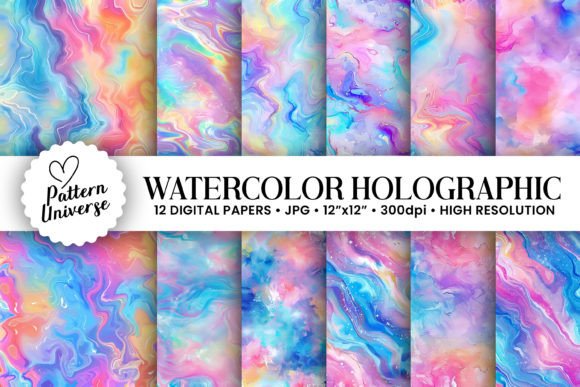
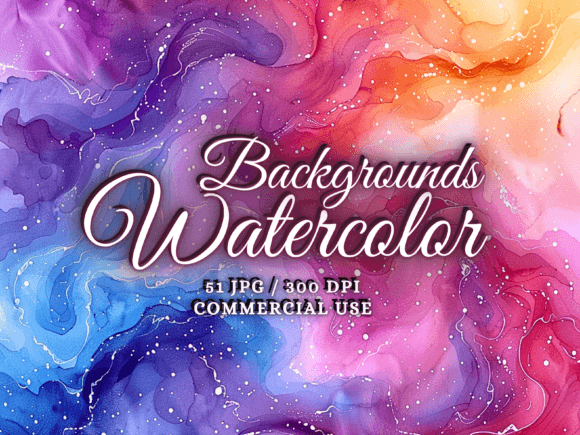
The appeal of this specific collection lies in its "shimmering and iridescent" quality. This isn't your standard, flat watercolor wash. These backgrounds have a luminous depth, as if light is catching and refracting through layers of translucent pigment. Imagine the subtle sparkle of a soap bubble or the shifting colors on a butterfly's wing, rendered in a fluid, painterly style. This visual personality is inherently magical and luxurious, making it a powerful tool for adding a premium feel to any project. The high resolution of 4090×4090 pixels means these aren't just decorative accents; they are substantial, detailed design assets that can anchor a composition.
From a practical standpoint, this style of background is a master of setting mood without demanding the spotlight. It provides complex visual interest—through color blending, texture, and that sparkling effect—while remaining fundamentally a background. This balance is crucial. It allows foreground elements, whether that's typography, a product photo, or a logo, to remain clear and impactful. The texture adds sophistication and prevents a design from feeling sterile or overly digital, which is a common challenge in screen-based work.
Practical Applications Across Projects
So, where does a resource like this truly shine? Its versatility is one of its greatest strengths. For graphic designers and brand strategists, these backgrounds can become a core part of a brand identity. Think about the mood boards for a boutique spa, a luxury cosmetics line, or a high-end event planner. The iridescent watercolor texture communicates elegance, creativity, and a touch of fantasy. It can be used consistently across packaging design, web design headers, and social media graphics to create a cohesive and recognizable aesthetic.
Marketers and content creators will find endless uses in digital spaces. A shimmering background can make a social media post, especially an Instagram story or a Pinterest pin, stop the scroll. It adds a layer of professionalism and visual appeal that stock imagery often lacks. For bloggers and publishers, these textures can elevate editorial design. Use them as a subtle wash behind pull quotes, as chapter dividers in a digital magazine, or as the foundation for a visually rich blog post header. The key is using them to enhance the reader's experience, not overwhelm it.
Even for personal and commercial craft projects, the applications are direct and practical. The collection's license allows for use on physical products. This means a crafter or small business owner can create unique merchandise. Imagine the background printed on tote bags, notebooks, or greeting cards. It transforms a simple item into something special. For entrepreneurs designing their own marketing materials—like flyers, business cards, or digital ads—having a library of 51 unique options provides tremendous creative freedom and cost-efficiency.
Integrating Texture into Your Design Process
Simply having a great asset isn't enough; knowing how to use it effectively is what separates good design from great. Here’s some practical guidance for working with Watercolor Backgrounds Colorful Textures.
Evaluating Fit: Before applying any background, ask what emotion or message your project needs to convey. The iridescent style suggests creativity, magic, luxury, and whimsy. It's perfect for projects that are celebratory, artistic, or aspirational. It might be less suitable for, say, a corporate financial report that requires a tone of stark stability and data-driven seriousness. Context is everything.
Ensuring Readability and Hierarchy: This is the most critical technical consideration. A busy, colorful background can make text illegible. To maintain a clear visual hierarchy, use these backgrounds as overlays with reduced opacity or place text within solid-colored boxes or banners that sit on top. Choosing the right foreground font is also essential. A clean, bold sans serif font often provides excellent contrast against the organic texture. Alternatively, a sophisticated serif font can create an elegant, classic look. Always test your text over the background at the intended size to ensure it meets accessibility standards for contrast.
Font Pairing and Composition: Think of the watercolor background as one layer of your design's personality. Pair it with typefaces that complement its style. A modern, geometric sans serif can create an interesting contrast between the organic and the structured. A flowing script font or handwritten font can lean into the whimsical, artistic feel for a more cohesive look. The goal is a balanced composition where the texture supports the message, not competes with it.
Leveraging the Collection: With 51 files, you have a robust toolkit. Don't just use the same one repeatedly. Select backgrounds that harmonize with specific project color schemes. Use variations within the collection to create a sense of progression or difference between sections of a website or pages of a brochure, while maintaining the overall textured aesthetic. This approach builds consistency across a larger campaign or brand presence.
In a digital landscape saturated with generic visuals, incorporating organic, textured elements like these watercolor backgrounds is a strategic move. They provide a tangible sense of quality and artistry that resonates with audiences on a human level. By understanding their visual character and applying them with thoughtful consideration for readability and context, you can leverage this collection to create designs that are not only beautiful but also effective and memorable. The true value lies in how these assets empower you to tell your story with more depth, color, and magic.