Retro Lavender Flower Backgrounds: A Designer's Secret Weapon
There's a moment in every design project when you realize the background isn't just a backdrop—it's the foundation that either elevates or undermines everything you've built. That's where a thoughtfully crafted resource like Retro Lavender Flower Backgrounds enters the conversation. This collection isn't about generic floral patterns or predictable pastels. It's about capturing a specific mood: nostalgic yet fresh, organic yet refined, playful yet deeply sophisticated. Think of it as the visual equivalent of walking through a sun-dappled garden at golden hour, where every petal catches the light just so.
Understanding the Visual Language
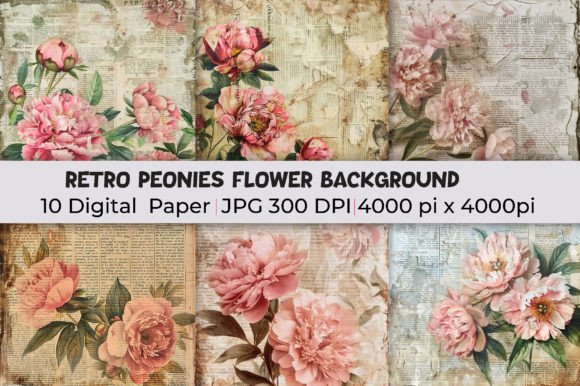
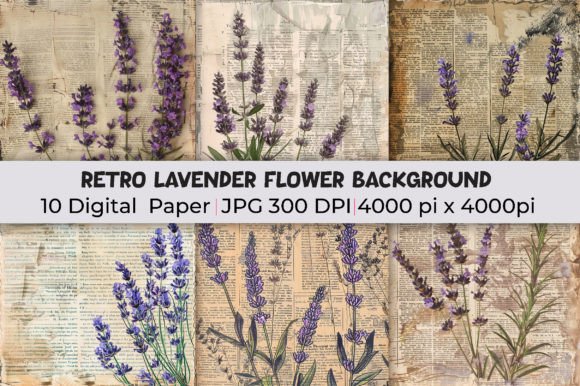
What sets these backgrounds apart is their intentional blend of retro aesthetics with contemporary design sensibilities. The lavender tones aren't flat or one-dimensional—they shift between soft lilac, deeper plum, and hints of dusty rose, creating a rich tonal palette that feels alive. The floral elements carry intricate detailing: layered petals, subtle shadows, organic textures that mimic real botanical specimens. There's a handcrafted quality here, almost like pressed flowers preserved in vintage scrapbooks, yet rendered with the precision and clarity that modern digital design demands.
The "retro" aspect shows up in the color grading and compositional choices. These aren't hyper-saturated, Instagram-filter florals. Instead, they lean into muted warmth, slightly desaturated edges, and a gentle grain that evokes analog photography or aged botanical prints. That stylistic choice makes them remarkably versatile—they can anchor a luxurious brand identity just as easily as they can soften a minimalist layout without competing for attention.
Where These Backgrounds Truly Shine
Let's talk practical applications, because that's where design assets prove their worth. For brand identity work, Retro Lavender Flower Backgrounds offer an immediate sense of personality. A boutique skincare line, a wellness studio, a wedding planner, or a handmade jewelry brand could use these as the visual thread connecting packaging design, business cards, and social media graphics. The backgrounds communicate care, creativity, and an appreciation for beauty without needing a single word of copy.
In editorial design and publishing, they work beautifully as chapter openers, magazine feature spreads, or blog post headers. Imagine a lifestyle publication covering spring fashion or a cookbook dedicated to floral-infused recipes—the lavender palette provides both warmth and elegance. For web design, these backgrounds can transform hero sections, landing pages, or email headers into memorable visual experiences that hold attention longer than a solid color block ever could.
Social media managers and content creators will find them particularly useful for creating cohesive Instagram grids, Pinterest pins, or YouTube thumbnails. The consistent color story across all ten images means you can rotate backgrounds without breaking visual harmony. Small business owners crafting promotional materials—think sale announcements, product launches, or seasonal campaigns—gain access to a premium font-level quality resource without commissioning custom photography.
Working With High-Resolution Assets
Each image in this collection comes as a 4000 x 4000 pixel JPG, which is a practical detail worth highlighting. That resolution gives you genuine flexibility. You can crop aggressively for portrait-oriented social posts, scale up for large-format print materials like posters or trade show displays, or use them at full resolution for high-DPI screens without any loss of clarity. When you're working on packaging design or physical products, that kind of resolution isn't a luxury—it's a baseline requirement.
The ten-image variety also matters more than it might seem at first glance. Designers know that repetition kills interest. Having multiple compositions within the same color family means you can maintain brand consistency across a campaign while keeping individual pieces visually distinct. One background might feature dense, overlapping blooms perfect for a full-bleed poster. Another might offer more breathing room, with scattered florals that let typography sit comfortably in the negative space. That range is what separates a useful design asset from a one-trick resource.
Pairing and Integration Strategies
When incorporating these backgrounds into real projects, font pairing becomes an important consideration. The organic, textured nature of the florals pairs well with clean, geometric sans serif fonts for modern contrast. A display font with elegant curves can echo the botanical elements without feeling redundant. For projects leaning into the vintage aesthetic, a refined serif font or even a carefully chosen script font can amplify the nostalgic mood. The key is balance—if the background is visually rich, your typography should provide clarity and structure.
Color extraction is another practical technique. Pull specific lavender, cream, or sage tones directly from the backgrounds to create a unified color palette for text, buttons, and supporting graphics. This approach ensures every element in your design feels intentionally connected, which is the hallmark of professional modern typography and layout work.
Making the Right Choice for Your Project
Before downloading, consider the emotional tone your project needs. These backgrounds lean romantic, artistic, and refined. They're ideal when you want to evoke feelings of warmth, creativity, or gentle luxury. If your brand identity skews industrial, stark, or heavily tech-focused, they might create visual dissonance. But for the vast majority of creative, lifestyle, wellness, beauty, and artisan brands, they're an exceptionally strong fit.
Test them in context before committing. Drop one into your existing layout, check how your primary text reads against the floral elements, and make sure the background doesn't overwhelm your message. Good design assets should support your content, not compete with it. With Retro Lavender Flower Backgrounds, the inherent sophistication and careful color work make that balance easier to achieve than with many competing resources.
Ultimately, investing in quality design assets like this collection saves time, elevates output, and gives your work a polished consistency that audiences notice—even when they can't articulate exactly why it feels professional. That's the real value here: not just beautiful images, but the creative confidence that comes from having the right tools at your fingertips.