Retro Newspaper World Map Backgrounds: A Designer's Guide
More Than a Map: Capturing a Vintage Narrative
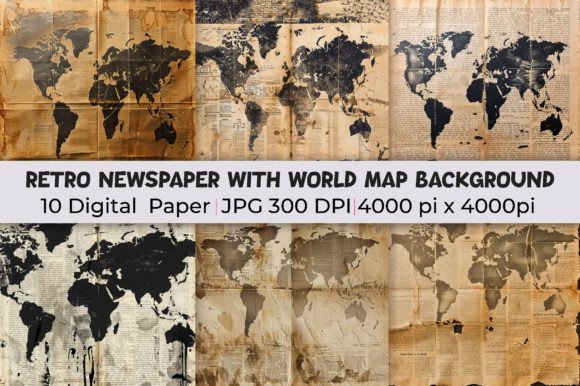
There’s a certain romance to old newspapers—the yellowed paper, the intricate woodcut-style illustrations, and the sense of a story unfolding across time. A Retro Newspaper World Map Background captures that exact feeling, but on a global scale. It’s not just a geographical outline; it’s a textured canvas infused with history, curiosity, and a distinct vintage personality. Imagine a world map rendered with the fine, crosshatched lines of a 19th-century engraving, set against a softly aged paper background. The details are intricate, with continents, oceans, and cartographic notations that feel hand-drawn and carefully assembled. The color palette often leans into warm sepia tones, muted creams, and subtle hints of aged ink, though modern interpretations can introduce a spectrum of vibrant hues while retaining that timeless, tactile quality.
This type of design asset is a powerhouse for creating instant atmosphere. Its appeal lies in its duality: it is both globally familiar and stylistically unique. It speaks of exploration, education, and legacy. For a brand or project, using this background is a deliberate choice to evoke a sense of established credibility, worldly knowledge, and a story worth telling. It transforms a simple layout into a piece of visual storytelling, making it far more than just a decorative element.
Strategic Applications: Where This Background Truly Shines
The strength of a Retro Newspaper World Map Background is its remarkable versatility across different media. It’s a creative font in visual form, capable of setting a powerful tone for a wide array of projects. In brand identity and logo design, it can anchor a company in themes of global reach, heritage, or intellectual pursuit. Think of a travel agency specializing in heritage tours, a boutique coffee brand sourcing beans worldwide, or an academic publisher. The map becomes a core part of their visual language, instantly communicating their niche without a single word.
For editorial design and publishing, its value is immense. Use it as a full-bleed background for a magazine feature on history, a book cover for a historical novel, or a podcast artwork series on global cultures. In packaging design, it can turn a product box or label into a collector's item, especially for spirits, gourmet foods, or artisanal goods where provenance and story are key selling points. The background adds a layer of sophistication and perceived value, much like a premium font elevates text.
Digital applications are equally compelling. As a background for a web design hero section, it creates a strong first impression. For social media graphics, it ensures your posts stand out in a crowded feed, offering a cohesive and professional look for a series on history, travel, or education. It’s also perfect for digital presentations, webinar backdrops, and online course materials, where it adds visual interest and reinforces a theme of knowledge and exploration.
Practical Guidance: Integrating the Map into Your Workflow
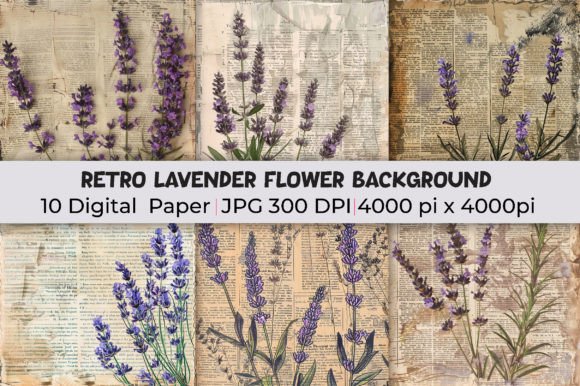
Choosing to use a Retro Newspaper World Map Background is the first step; integrating it effectively is the next. The key is to treat it as a foundational element of your design assets, not an afterthought. Start by evaluating the specific collection you have. Does it offer the color temperature and level of detail that matches your project's mood? A high-resolution, 4000x4000 pixel JPG, for instance, provides immense flexibility. It can be cropped tightly for a texture detail or used at full scale for print materials without losing quality.
Consider how it will interact with your typography. This is where font pairing becomes critical. The intricate, textured nature of the background calls for typefaces that can hold their own without getting lost. A clean, bold sans serif font often works beautifully for headlines, providing a modern counterpoint to the vintage map. For body text, a highly legible serif or sans-serif is a must. Avoid overly ornate script fonts or handwritten fonts for large blocks of text, as they may compete with the background's details and harm readability. The goal is a balanced visual hierarchy where the background supports the message, not overwhelms it.
Always test your layout in context. View a web design mockup on different screen sizes. Print a sample of a brochure or poster. Check how the colors of your text and other graphic elements interact with the map's hues. Does the contrast ensure your message is clear? This kind of practical testing is what separates good design from great design. It ensures the background enhances audience engagement by making the overall piece more compelling and easier to consume, thereby strengthening your brand perception as thoughtful and detail-oriented.
From Concept to Masterpiece: Final Considerations
Ultimately, a Retro Newspaper World Map Background is a tool for creative professionals who understand the power of atmosphere and narrative. It’s a versatile asset for entrepreneurs, marketers, bloggers, and crafters alike. A small business owner can use it to create professional-looking business cards or product tags that tell a story. A blogger can create a series of featured images that build a recognizable brand. A crafter can use it for unique paper projects, journals, or wall art.
When you download such a collection, you're not just getting ten images; you're acquiring a toolkit for visual storytelling. Each JPG is a unique canvas, ready to infuse your projects with a sense of innovation and sophistication that generic backgrounds cannot match. By thoughtfully applying this asset—mindful of its strengths, its ideal applications, and its interaction with your other design elements—you can consistently elevate your work. You move from creating simple layouts to crafting immersive experiences that resonate with your audience on a deeper level, transforming your designs into true masterpieces of modern creativity.