Sea Grunge Texture Backgrounds: Adding Vintage Depth to Your Projects
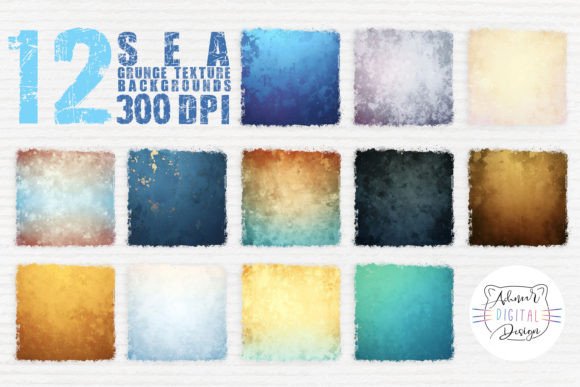
There’s a particular quality to surfaces that have been touched by the sea and time. It’s not pristine or polished; it’s textured, layered, and tells a story. This is the essence captured in the Sea Grunge Texture Backgrounds collection. It’s a set of 12 high-resolution JPEG files designed to bring that raw, weathered aesthetic to your work. Think of the peeling paint on an old dock, the stained surface of a sun-bleached sign, or the subtle cracks in a sea wall. These aren’t just generic textures; they carry a specific personality of vintage charm and organic wear.
Visual Character and Stylistic Appeal
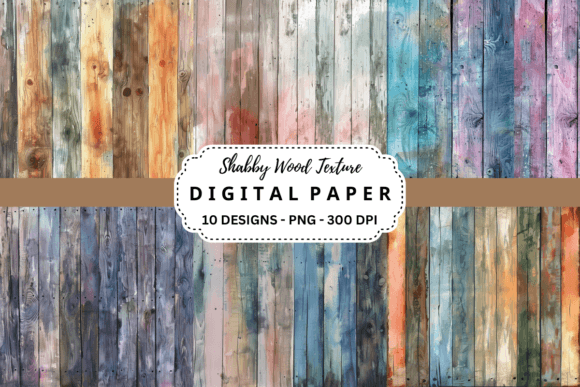
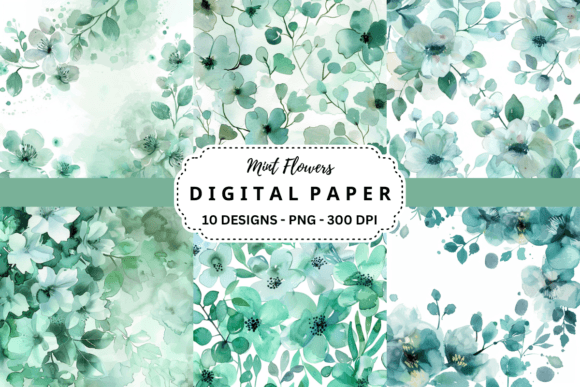
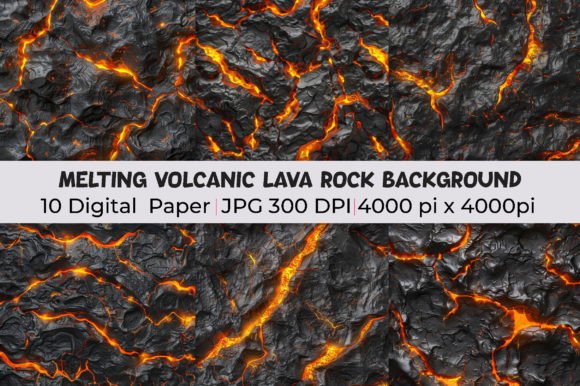
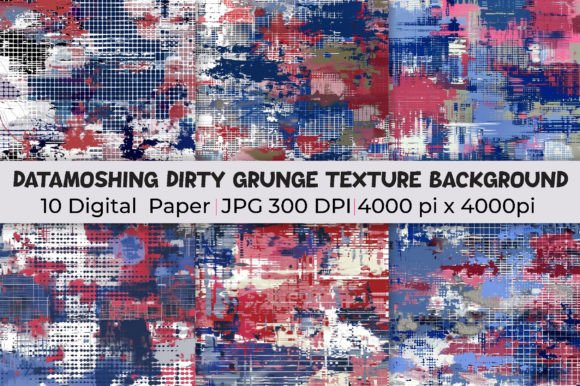
What makes these textures distinct is their layered complexity. They aren’t flat, single-tone patterns. Instead, you’ll find subtle variations in color—muted blues, grays, and sandy neutrals—blended with scratches, stains, and faded spots that mimic natural erosion. The "grunge" element isn’t chaotic; it’s controlled and intentional, providing visual interest without overwhelming a design. This style is incredibly versatile. It can feel rustic and authentic for a craft brand, or edgy and artistic for a music poster. The high 300 DPI resolution ensures these details remain crisp, whether you’re applying them to a small social media graphic or scaling them for a large-format print.
The personality of this collection is one of quiet authenticity. It doesn’t scream for attention but rather adds a layer of depth and history. It’s the kind of background that makes foreground elements—like text, logos, or product images—pop with more contrast and presence. For a designer, this is a powerful tool for creating mood. It can instantly set a tone of nostalgia, adventure, or handmade quality.
Practical Applications Across Creative Fields
Where do these textures work best? The applications are surprisingly broad. For graphic designers and web designers, they are perfect for creating unique website hero sections, blog post featured images, or digital ad banners that need to stand out from the clean, minimalist crowd. The texture adds a tactile quality that flat colors can’t achieve.
Photographers can use them as overlays in post-production. Blending a portrait or landscape photo with one of these textures using modes like "Multiply" or "Overlay" in editing software can create a stunning, painterly effect or a vintage film look. It’s a technique that adds a signature style to your portfolio.
For illustrators and digital artists, these backgrounds provide a ready-made foundation. Instead of spending hours building up a complex background from scratch, you can start with a textured base and build your artwork on top, which often leads to more organic and cohesive results. The textures also work beautifully for adding grit to digital paintings or mixed-media collages.
Content creators and marketers will find them invaluable for social media graphics, email headers, and PDF guides. A textured background can make a simple quote graphic or a promotional post feel more substantial and designed, improving engagement and perceived value. In packaging design, a subtle sea grunge texture can evoke natural, artisanal, or nautical themes, enhancing the brand identity of products like candles, soaps, or gourmet foods.
Integrating Textures into Your Design Workflow
Using a texture effectively is about more than just slapping it on a canvas. It’s about visual hierarchy and readability. The key is to ensure your main content remains the focus. Here’s some practical guidance:
- Evaluate the Fit: Does the texture’s personality match your project’s message? A soft, faded texture might suit a wellness brand, while a more distressed, high-contrast one could be great for a rock band’s poster. Always test it in context.
- Consider Opacity and Blending: Rarely will you use a texture at 100% opacity. Experiment with reducing its opacity or using blending modes. This allows the texture to influence the mood without making text illegible.
- Pairing with Typography: These textures have a lot of character, so they pair well with cleaner typefaces. A simple sans serif font or a modern serif font often works best for body text against a busy background. For headings, you might use a bold display font or a script font, but always check the legibility at the intended size.
- Test for Different Uses: A texture that looks great on a desktop screen might lose detail when printed on a brochure, or vice-versa. Since these are high-resolution files, they are versatile, but always do a small test print or view at 100% zoom for your final output.
Think of these design assets as a starting point. You might combine two textures from the collection, adjust the color balance to match your palette, or use only a cropped section. The goal is to integrate them seamlessly so they enhance, not distract. They are a creative font for your backgrounds—providing a unique voice and style that supports your overall design narrative. By using them thoughtfully, you add a layer of professionalism and artistic depth that elevates the entire project, making your work more memorable and engaging for your audience.