Transforming Designs with Holographic Dried Flower Backgrounds
The Visual Language of Iridescent Florals
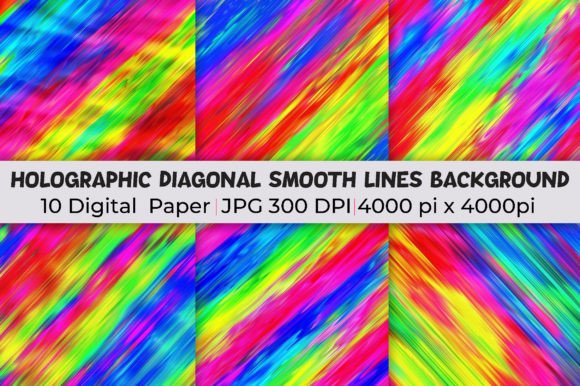
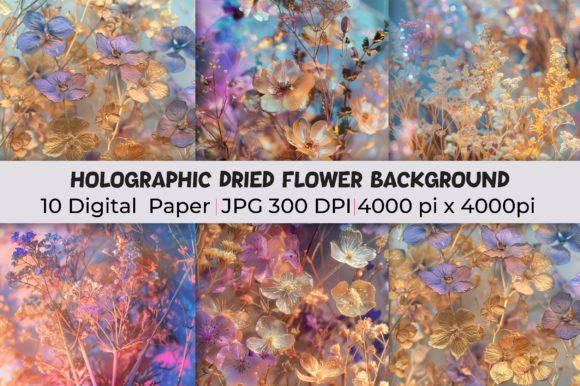
There is a specific moment in design where nature meets digital innovation, creating a visual texture that feels both organic and futuristic. This is the space occupied by Holographic Dried Flower Backgrounds. Unlike standard stock photography, these assets are curated collections of botanical elements—pressed petals, stems, and foliage—captured not just in static color, but through a prism of iridescent light. The "holographic" aspect refers to the shifting, spectrum-spanning color gradients that overlay the natural textures of the flowers. You aren't just seeing a flower; you are seeing a flower refracting light in pinks, teals, purples, and golds simultaneously.
The visual personality of these backgrounds is undeniably bold yet delicate. They strike a balance between the modern typography trends of today and the timeless appeal of botanical illustration. When you look at a high-resolution file—such as the 4000x4000 pixel images included in this collection—you see the intricate veins of a dried leaf shimmering with a rainbow finish. This creates a luxury aesthetic that feels expensive and high-end. It is the kind of texture that suggests a brand cares about details, quality, and contemporary style. The "pink texture background" element often found in these sets adds a layer of softness, making the intense holographic colors feel approachable rather than overwhelming.
Strategic Applications for Modern Creators
Understanding where to deploy these assets is just as important as the assets themselves. For entrepreneurs and small business owners, these backgrounds offer a shortcut to high-end branding without the cost of a custom photoshoot. Consider packaging design: a holographic floral texture can transform a simple product box into an unboxing experience. It communicates that the product inside is special, perhaps artisanal or technologically advanced. Similarly, in logo design, using a clipping mask to apply a holographic dried flower texture to your brand name can instantly set a brand identity apart from flat, monochromatic competitors.
For digital applications, the utility is vast. Social media graphics need to stop the scroll, and the shifting colors of a holographic background achieve this effectively. They are excellent for Instagram stories, Facebook headers, or Pinterest pins where visual impact determines engagement. In web design, these images work beautifully as hero banners for lifestyle blogs, florists, or creative agencies. Because they are high-resolution design assets, they hold up well on retina displays, ensuring your site looks crisp and professional. Publishers and content creators can also use these as backgrounds for e-book covers, magazine layouts, or podcast artwork, adding a layer of sophistication that generic solid colors lack.
Readability and Visual Hierarchy
One of the critical challenges with vibrant, complex backgrounds is maintaining readability. A background is a supporting actor, not the lead; it should enhance, not overpower. When using Holographic Dried Flower Backgrounds, visual hierarchy becomes paramount. You must ensure that your foreground text—whether it is a serif font for elegance or a sans serif font for clarity—stands out.
To achieve this, practical design techniques are necessary. Placing a semi-transparent overlay or a "frosted glass" card over the center of the image can create a safe zone for text. Alternatively, using the holographic texture in the negative space around your text works well. The personality of the background influences the font pairing. Because the holographic effect is futuristic and playful, it pairs exceptionally well with geometric sans-serifs or modern serifs with high contrast. Avoid overly busy script fonts or handwritten fonts directly on top of the intricate floral details, as the competing visual noise will reduce legibility. Instead, use the background to set the mood, and let clean modern typography carry the message.
Practical Guide to Asset Integration
Integrating these specific assets—the 10 high-quality JPGs—requires a thoughtful workflow. First, evaluate the specific "vibe" of each image. While the collection is cohesive, individual pieces may have different dominant color shifts. One might lean heavily into pink and gold, while another might feature cooler teals and purples. Match the background to the emotional tone of your project. Warm tones often suit beauty, fashion, or wedding industries, while cooler tones might fit tech, music, or avant-garde editorial design.
Next, consider the technical execution. Since these are raster images (JPGs), they are pixel-based. While 4000x4000 pixels is substantial enough for most print and digital needs, avoid aggressive upscaling. If you are using them for large-format print, such as trade show banners, be mindful of viewing distance. For digital use, optimize the file size for faster web loading times without sacrificing the quality of the details. Compression tools can reduce the file weight significantly while keeping the visual integrity of the premium font background intact.
Finally, think about consistency in your brand identity. If you choose to use a Holographic Dried Flower Background for your Instagram posts, consider how that translates to your website or email newsletters. You don't need to use the exact same image everywhere, but maintaining a consistent color palette derived from the backgrounds helps build recognition. For instance, if the background features a dominant neon pink, use that specific hex code for your buttons or accent text elsewhere. This creates a cohesive ecosystem where the background isn't just decoration, but a foundational element of your visual strategy.
Commercial Versatility and Licensing
For marketers and commercial entities, the value of these assets lies in their versatility. They are not limited to one niche. A creative font project for a music festival could use these backgrounds for tickets and posters. A skincare brand could use them to highlight a "limited edition" release. Even crafters and hobbyists can utilize them for personal stationery, wedding invitations, or digital scrapbooking.
When selecting these backgrounds, always verify the licensing terms to ensure they cover your intended use, whether personal or commercial. The fact that these are unique canvases means you are less likely to see your exact design replicated elsewhere, offering a degree of exclusivity. By combining these holographic textures with strong design principles